If you are drawn to mountain views, quiet space, and quick access to outdoor recreation, Bridger Canyon can feel like a dream. But living here is not the same as living in a typical Bozeman neighborhood, and that difference matters when you are deciding where to put down roots. This guide will help you understand what daily life in Bridger Canyon really looks like, from scenery and recreation to winter roads and practical logistics. Let’s dive in.
Bridger Canyon Is a Mountain Corridor
One of the first things to know is that Bridger Canyon is not really a town in the usual sense. It is better understood as a low-density mountain corridor that stretches along MT 86, also called Bridger Canyon Drive, from just east of Bozeman toward US 89 near Wilsall.
According to Gallatin County zoning and planning information, the area has long been shaped by limited, controlled growth meant to protect natural beauty, open space, and agricultural land. In practice, that means you will find scattered rural development, hay fields, pasture, forested slopes, and homes spread out along the main road system rather than concentrated neighborhoods.
What the Setting Feels Like
The biggest draw for many people is the landscape. Bridger Canyon offers a mix of open meadows, wooded hillsides, mountain views, and a sense of separation from town that can be hard to find closer to Bozeman.
The county plan describes the area as supporting wildlife such as deer, elk, bear, moose, mountain goats, birds of prey, and trout habitat. That gives the canyon much of its identity. You are not moving into a heavily built suburban setting. You are choosing a place where open space, privacy, and the natural environment are part of daily life.
Daily Life Centers on MT 86
Living in Bridger Canyon means your routine is closely tied to one main road. The Montana Department of Transportation corridor study describes MT 86 as a two-lane undivided highway with varying shoulders, curving sections, and a known slide area near RP 4.4.
That may sound technical, but the lifestyle takeaway is simple. Your commute, school travel, errands, recreation, and many day-to-day plans depend on a rural mountain corridor, not a grid of neighborhood streets. If you value privacy and space, that tradeoff may feel well worth it. If you want quick, weather-proof convenience, it is important to understand the reality before you buy.
Access to Bozeman and Beyond
Bridger Canyon gives you a scenic route into Bozeman, but it is still a rural setting. Many residents rely on town for groceries, services, dining, and other daily needs.
For regional travel, the nearest airport is Bozeman Yellowstone International Airport in Belgrade. Public transit is more limited in the canyon than in town, though Gallatin County transit information notes Streamline serves Bozeman, Belgrade, Four Corners, and Livingston, with seasonal service to Bridger Bowl.
Services and Infrastructure
The county plan historically notes that law enforcement service comes from the Gallatin County Sheriff's Office in Bozeman. Fire protection is provided by a local rural fire district, which reflects the independent, community-supported nature of the area.
The Bridger Canyon Fire Department says it serves Bridger Canyon and Brackett Creek, operates two facilities, and covers more than 650 homes. If you are considering a home here, that local fire and wildfire preparedness culture is an important part of ownership.
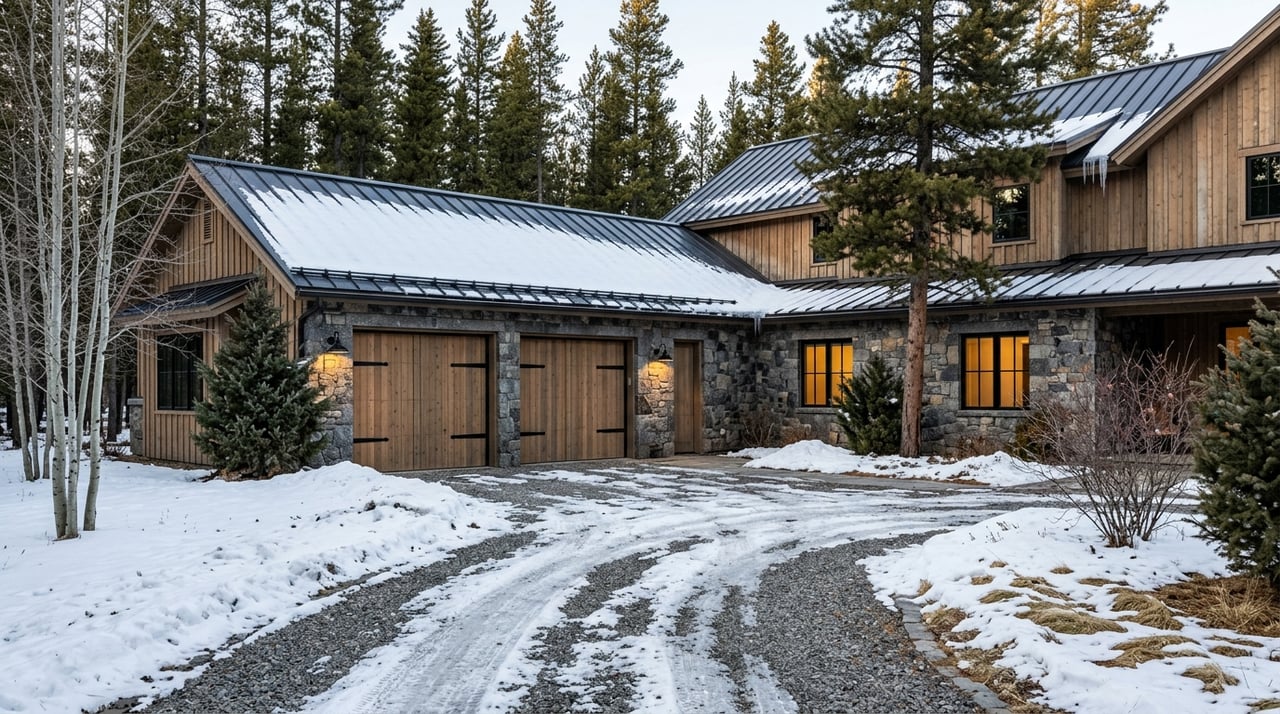
Winter Is a Real Part of the Lifestyle
For many buyers, winter is the biggest lifestyle filter. If you love snow and mountain living, Bridger Canyon can be incredibly appealing. If you are looking for easy winter driving and low-maintenance access, this is where you need to pay close attention.
NOAA normals for the Bozeman Montana State University station show 20.03 inches of annual precipitation and 91.3 inches of annual snowfall at a lower elevation than much of the canyon. Since the Bridger Canyon road weather information site sits at 6,090 feet, winter conditions in the canyon can reasonably be more demanding than what Bozeman numbers alone suggest, based on NOAA climate normals.
Gallatin County's Bridger Canyon plan adds more useful context. It notes that snow falls intermittently from November through March, drifting can be a bigger issue than raw snowfall depth, heavy snow loads matter for buildings, and winter winds can be strong, with gusts sometimes reaching 90 mph.
What Winter Means for You
In practical terms, winter in Bridger Canyon often means:
- Planning for snow removal
- Driving carefully on curving and sometimes icy roads
- Watching for wildlife, especially in winter
- Thinking about parking, access, and road exposure when evaluating a property
- Understanding that conditions can change quickly
MDT also notes that elk are often seen crossing the road in winter and that icy conditions can develop near the landslide area. This is not a minor footnote to life in the canyon. It is part of the lived experience.
Recreation Is One of the Biggest Advantages
If you want to live close to outdoor recreation, Bridger Canyon stands out. The corridor provides access to hiking, cycling, snowshoeing, fishing, hunting, camping, birding, and wildlife viewing, according to the MDT corridor study.
It is also the road to some of the area's best-known mountain recreation. Bridger Bowl is located on Bridger Canyon Road, and Crosscut Mountain Sports Center is farther up the canyon with Nordic skiing, biathlon, snowshoeing, fat biking, and mountain biking noted in the research.
That year-round recreation access is a major reason people choose the canyon. You can be close to skiing in winter, hiking in summer, and mountain scenery in every season.
The Recreation Tradeoff
The same access that makes the canyon attractive can also create pressure on busy days. MDT notes that parking can overflow near the M trail and Bridger Bowl, and tight shoulders can create hazards for parked cars and pedestrians.
So while the canyon often feels quiet and private, weekends and ski days can feel busier along the road corridor. If you are house hunting here, it helps to think not just about the home itself, but also about where it sits in relation to recreation traffic patterns.
Privacy and Space Matter Here
Many buyers look at Bridger Canyon because they want breathing room. Compared with more compact parts of Bozeman, properties here often appeal to people seeking a more rural pace, scenic surroundings, and a stronger connection to the land.
That said, privacy in the canyon comes with responsibility. Depending on the property, you may need to think more carefully about access, snow management, emergency response, and land maintenance than you would in a typical in-town setting.
For buyers considering land or larger parcels, this is especially important. The canyon lifestyle can be rewarding, but it works best when the property matches how you actually plan to live.
Schools and Community Feel
The county plan historically identified Malmborg Elementary as the only school within the planning area, with other students bused to Bozeman. That detail helps illustrate how rural and spread out Bridger Canyon is.
Community life here is shaped less by dense neighborhood patterns and more by shared place, outdoor culture, and local services. It is a setting where people often choose the area because they value the land, the views, and the quieter pace.
Fire Readiness Is Part of Ownership
In a mountain corridor like Bridger Canyon, wildfire awareness is part of responsible ownership. The local fire department plays an important role, and Gallatin County burn permit requirements reinforce that open burning is regulated.
If you are considering a move here, fire readiness is not something to treat as an afterthought. It belongs on the same checklist as road access, snow removal, and wildlife awareness.
Who Bridger Canyon Fits Best
Bridger Canyon tends to be a strong fit if you want:
- Mountain scenery and open space
- More privacy than a typical Bozeman neighborhood
- Quick access to skiing, hiking, and year-round recreation
- A rural lifestyle close to Bozeman
- A home setting shaped by land, views, and the outdoors
It may be less ideal if you want:
- Suburban convenience
- Multiple route options for commuting
- Minimal winter maintenance
- A more predictable, weather-light driving routine
What to Consider Before You Buy
Before buying in Bridger Canyon, it helps to look beyond the photos and ask practical questions about day-to-day living.
Here are a few smart things to evaluate:
- How exposed is the driveway and access road in winter?
- What will snow removal likely involve?
- How close is the home to busier recreation traffic areas?
- How does the property balance privacy with year-round accessibility?
- What ongoing land or fire-mitigation maintenance may be needed?
These are the kinds of details that shape whether a canyon property feels easy and enjoyable once you are living there full time.
The Bottom Line on Bridger Canyon Living
Living in Bridger Canyon can be beautiful, peaceful, and deeply connected to the Montana lifestyle. You get scenery, wildlife, open space, and standout access to outdoor recreation, all within reach of Bozeman.
At the same time, this is a place where winter driving, snow management, wildfire awareness, and dependence on a single mountain road are part of the package. If those tradeoffs fit the way you want to live, Bridger Canyon can be an exceptional place to call home.
If you are thinking about buying or selling in Bridger Canyon, Brad Ehrnman Real Estate can help you evaluate the lifestyle, property considerations, and day-to-day realities so you can make a confident move.
FAQs
What is Bridger Canyon like compared with Bozeman neighborhoods?
- Bridger Canyon is a low-density mountain corridor with scattered rural development, open space, and strong recreation access, rather than a more connected neighborhood street system like you find in Bozeman.
What is winter like in Bridger Canyon, Montana?
- Winter in Bridger Canyon often includes snow from November through March, drifting snow, strong winds, icy road sections, and more demanding driving conditions than many in-town locations.
What outdoor recreation is near homes in Bridger Canyon?
- Bridger Canyon offers access to hiking, cycling, wildlife viewing, fishing, hunting, camping, snowshoeing, downhill skiing at Bridger Bowl, and Nordic-style recreation farther up the canyon.
What roads do Bridger Canyon residents rely on most?
- Most daily travel in Bridger Canyon depends on MT 86, also called Bridger Canyon Drive, which connects the area to Bozeman, recreation sites, and routes north toward Wilsall.
What should buyers consider before purchasing a home in Bridger Canyon?
- Buyers should look closely at winter access, snow removal needs, road exposure, recreation traffic patterns, wildfire readiness, and how a property's setting supports year-round living.