You are not alone if you are torn between a new build in Flanders Mill and an established resale in Valley West. Each path offers real advantages, and the right choice depends on your timing, budget, and how you plan to live on Bozeman’s west side. In this guide, you will learn what to expect from floor plans and finishes to timelines, fees, financing, and ongoing maintenance. By the end, you will have a clear checklist to move forward with confidence. Let’s dive in.
West Bozeman at a glance
West Bozeman is one of the city’s most active residential areas, with parks, trails, and shopping close by. You will see new construction clustered in master-planned neighborhoods like Flanders Mill and West Winds, plus pockets in Baxter Meadows and Baxter Meadows West. Established communities such as Valley West, The Lakes, Westfield South, and Westbrook often offer mature landscaping and ready-to-move-in options. That variety sets up a practical choice between new and resale depending on your priorities.
New vs. resale: what you actually get
Floor plans and finishes
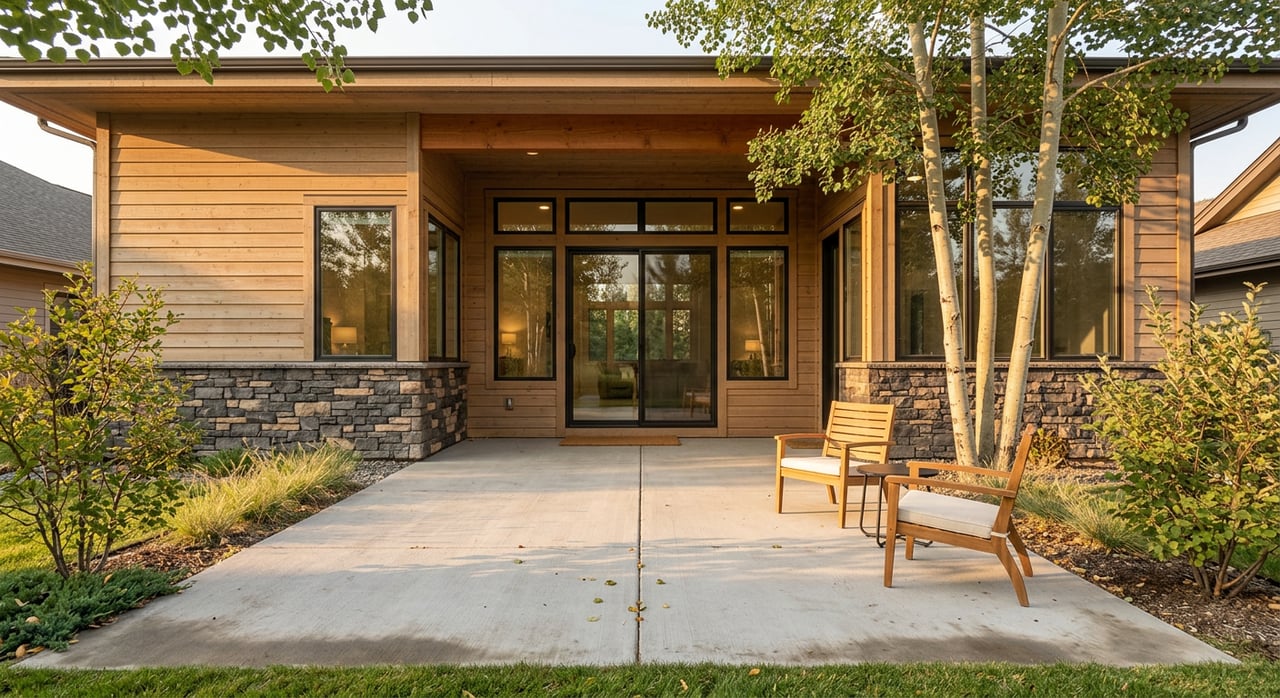
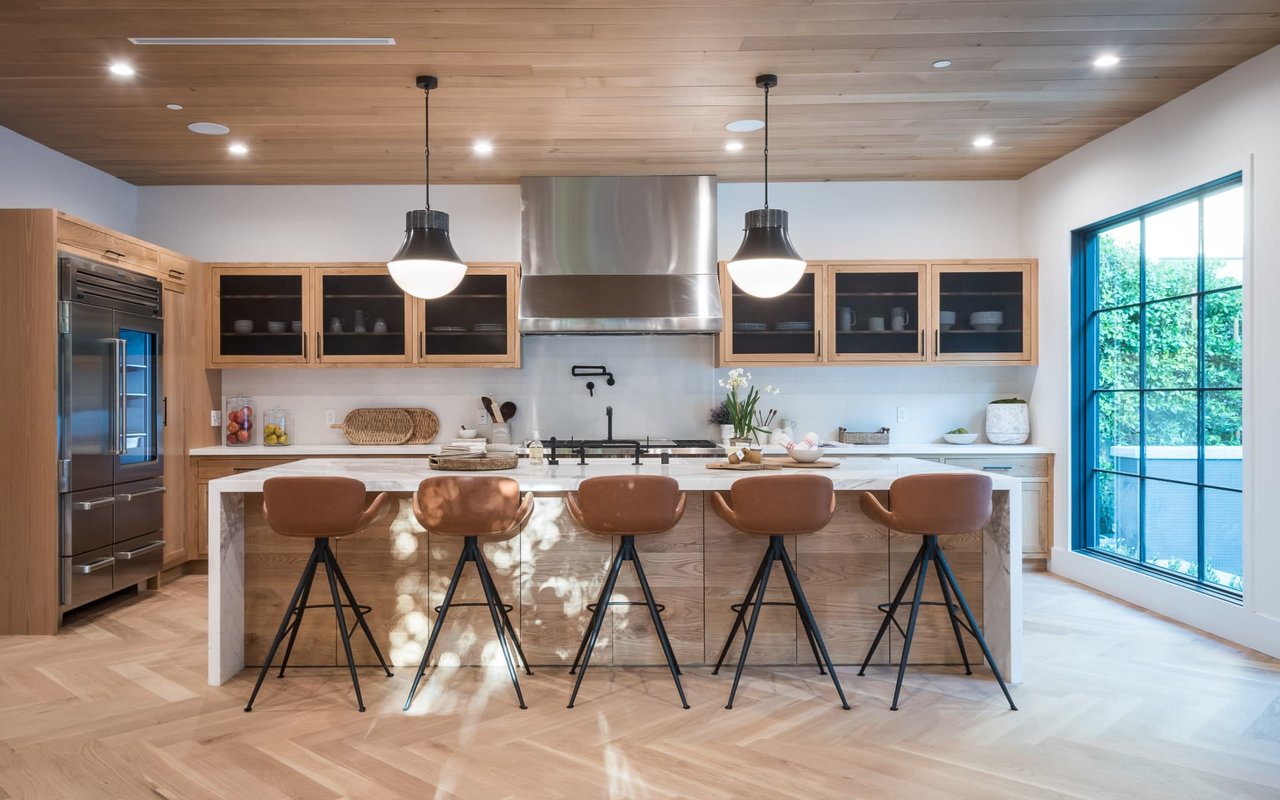
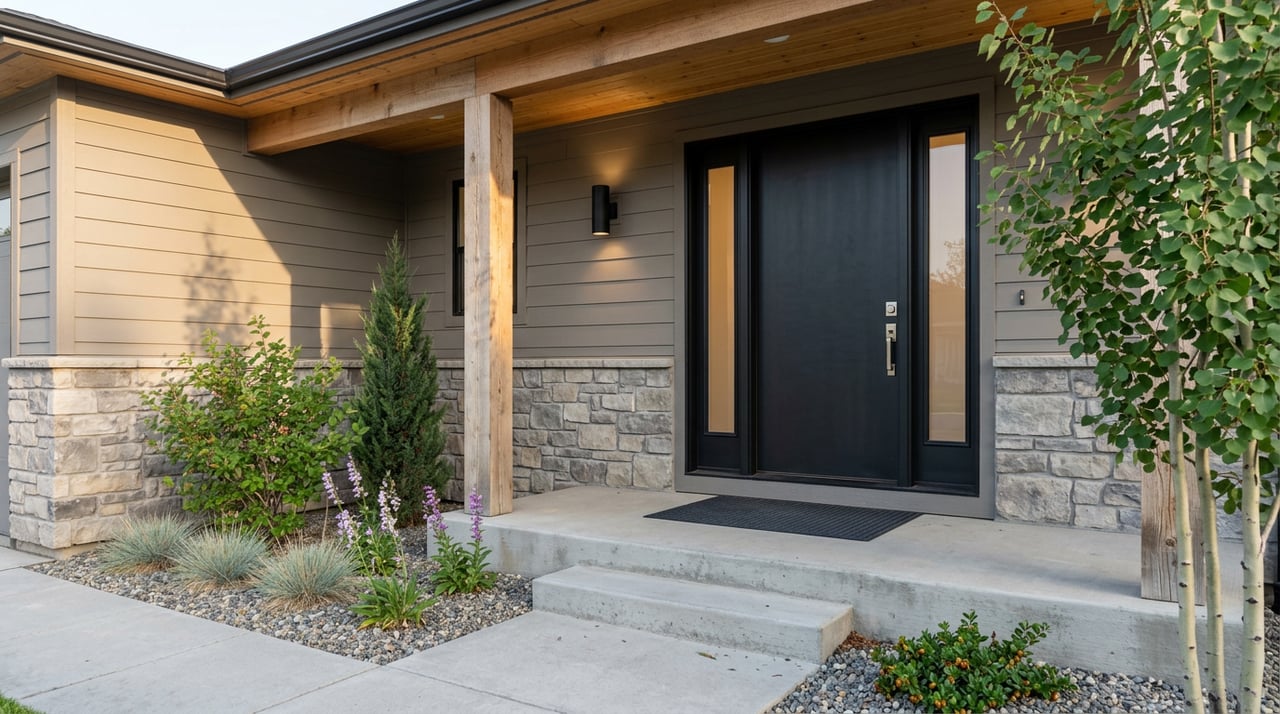
New construction on the west side tends to feature open, kitchen-centered layouts, generous mudrooms, and modern storage solutions. Local builders in Flanders Mill publish plan libraries and option sheets, so you can compare layouts and upgrade paths directly from source materials. You can preview examples of builder plans and standard inclusions from resources like the Flanders Mill plan pages from a local builder to see how designs flow and what comes standard (builder plan examples).
Resale homes in West Bozeman span craftsman, traditional two-story, and early 2000s styles you will find across established subdivisions. You might gain features like mature trees, larger or established yards, and unique layouts. If you prefer open, contemporary design with low-maintenance materials, new often wins. If character and established lots matter more, resale shines.
Customization and allowances
Production builders usually start with a base home, then offer finish packages and upgrades priced a la carte. Custom builders allow more freedom, but that flexibility adds time and cost. Builder incentives such as closing cost credits, mortgage buydowns, or appliance packages are common in new construction, so request detailed line-item allowances and an itemized list of what is included versus upgrade pricing (new construction vs. resale overview).
With resale, your customization happens after closing. You can negotiate price and credits based on condition, then plan updates at your pace. Major remodels can unlock value but also add time, cost, and potential surprises.
Energy codes and operating costs
New homes are built to the most recent local codes in effect at the time of permitting. The City of Bozeman has indicated it is preparing to adopt the 2024 International Code Council family of codes, with mid-2026 timing noted by the city for implementation. That shift will update minimum efficiency, insulation, and mechanical standards, which can reduce near-term repair or upgrade needs for newer-code homes. You can track code updates and permitting guidance on the city’s building division page (City of Bozeman building permits and codes).
Resale homes vary widely. Older windows, insulation, HVAC, and appliances can raise operating costs. If a seller provides energy disclosures or a HERS-like score, use them. Plan for upgrades over time if systems are near the end of their life.
Warranties and inspections
Most reputable builders provide a limited builder warranty often marketed as a 1-2-10 structure. That typically means one year for workmanship, two years for major systems, and ten years for structural components. Independent inspections are still wise on a new build, including a pre-drywall review and an 11-month inspection before short-term warranty coverage ends (builder warranty basics).
Resale purchases usually do not come with builder warranties. You should order a full home inspection and consider a home warranty plan for the first year if you want coverage for basic systems and appliances. Use the inspection report to budget near-term repairs and negotiate with the seller.
Maintenance expectations and budgeting
A common rule of thumb is to set aside about 1 percent of the home’s purchase price each year for maintenance. That number can rise to 3 percent for older properties or homes with high-end materials. New builds often cost less to maintain in the early years, while older resales may require immediate work on the roof, siding, or mechanicals. Use the 1 percent guideline as a starting point and adjust based on age and quality (maintenance budgeting guide).
HOAs, design rules, and dues
Many West Bozeman subdivisions have HOAs, each with its own design rules and dues structure. Valley West, for example, publishes current quarterly dues and outlines what the association maintains, along with parks and common-area information. Always request the CC&Rs, current budget, reserve study, and recent minutes so you understand responsibilities and any upcoming projects (Valley West HOA resources).
Timelines and cost drivers
Build timelines in West Bozeman
If you want a fast move, a completed spec home can often close within 30 to 60 days once construction is finished. A to-be-built home with a production builder usually takes about 6 to 12 months from contract to move-in. Custom builds often run 12 to 18 months or more depending on scope and permitting. Montana winters and seasonal crews can lengthen schedules, and the city’s permitting steps add coordination, so build in contingency time (City of Bozeman building permits and codes).
Cost to build and what moves the needle
Published cost ranges for building in or near Bozeman vary widely based on finishes, lot work, and scheduling. Conservative ranges often begin around $120 per square foot and can exceed $300 per square foot for higher-grade builds, with many mid-grade turnkey projects falling higher due to local labor, freight, and winter scheduling. Always request a written turnkey price that details what is included, from garage and driveway to landscaping, fencing, and appliance packages (Bozeman cost-to-build overview).
City fees that affect move-in cost
Impact fees for water, sewer, transportation, and public safety are administered by the City of Bozeman. Fees are applied based on the date a permit passes prescreen, so schedules can shift across phases. Ask your builder for an itemized estimate for your lot and cross-check the city’s current schedules and estimator before you finalize numbers (Bozeman impact fee schedules and estimator).
Financing differences you should know
Resale purchases typically use conventional, FHA, VA, or USDA financing with a 30 to 45 day closing timeline once underwriting is clear. New builds may require a construction-to-permanent loan or a short-term construction loan followed by a permanent mortgage. Confirm draw schedules, rate-lock options, interest-only payments during construction, builder approval requirements, and what happens if completion is delayed. Local and regional banks in Montana offer construction-to-permanent products you can explore for structure and terms (construction-to-permanent example).
Local risks and planning factors
Market context
Bozeman and greater Gallatin County have been higher priced than national averages. In recent reports, some data series showed slight softening in late 2025 while inventory stayed tight. Expect new builds on desirable lots to carry a premium, while resales may offer room to negotiate based on condition and timing.
Taxes and the Homestead Reduced Rate
Montana’s recent property tax changes introduced a homestead reduced rate and related programs for qualifying primary residents. If you plan to occupy your West Bozeman home as your primary residence, verify eligibility and filing windows through the state portal. The savings can affect your monthly carrying costs relative to a second home or investment purchase (Montana Homestead Reduced Rate overview).
Insurance and environmental risk
Wildfire exposure and seasonal smoke are regional considerations. Properties closer to foothills or within wildland-urban interface zones can face tighter insurer underwriting or higher premiums. Request quotes early and review site-specific hazard tools. Federal and local programs are working on landscape resiliency in the Gallatin area, which is useful context as you evaluate long-term risk and defensible space planning (landscape resiliency program context).
How to choose for West Bozeman
If you need to move within 60 days and want minimal project risk, a completed resale or spec home is your most practical choice. If you value lower near-term maintenance, modern mechanicals, and higher energy standards, a new build can be worth the wait. If you plan to customize extensively, a resale plus targeted remodel might deliver the feel you want without carrying a construction loan for a full build.
Think about your lifestyle on the west side. Do you want a turn-key home near trails and parks now, or would you rather pick a lot and tailor finishes over the next year? Are you comfortable with construction draws and interest-only payments, or do you prefer a standard 30-year mortgage and faster occupancy? Answering those questions will narrow your path quickly.
Quick checklist for West Bozeman buyers
- Timeline test. Do you need to move in 2 to 3 months, or can you wait 6 to 18 months while a home is built? Completed spec homes close faster than to-be-built or custom projects.
- Price and allowances. For new builds, get the builder’s inclusions and allowances in writing, including appliances, landscaping, window coverings, and HVAC specs. For resales, list deferred maintenance from your inspection and price upgrades.
- Financing plan. Decide if you need a construction-to-permanent loan or standard financing. Ask lenders about draw schedules, interest during construction, and rate-lock options (construction-to-permanent example).
- Permits and fees. Request the city impact fee estimate for your specific lot and include it in your budget (Bozeman impact fee estimator).
- Inspections and warranties. On new construction, review the written builder warranty and schedule an 11-month inspection. On resale, order a full home inspection and plan for near-term replacements.
- HOA and covenants. Obtain CC&Rs, budget, reserve study, and recent HOA minutes. Confirm dues and any design review rules that could affect future work (Valley West HOA resources).
- Hazard screening. Check FEMA flood maps and wildfire-risk tools, and secure insurance quotes early.
- Appraisal and comps. If nearby sales are thin for a new build, ask whether the builder has recent closings appraisers can use as comparable sales.
When you are ready to weigh specific lots, plans, or resale homes across Flanders Mill, West Winds, Baxter Meadows, or Valley West, having local guidance helps. If you would like to talk through timing, budgets, and neighborhood fit, reach out to Brad Ehrnman Real Estate. Let’s connect and make a confident plan for your next move on Bozeman’s west side.
FAQs
What are the biggest pros and cons of new construction in West Bozeman?
- Pros include modern layouts, new mechanicals, and builder warranties. Cons include longer timelines, potential cost creep from upgrades, and the need for construction-savvy financing.
How long does a to-be-built home typically take in West Bozeman?
- Most production builds take about 6 to 12 months from contract to move-in, with Montana winters and permitting steps sometimes extending the schedule (Bozeman building division guidance).
What extra costs should I expect beyond the base home price for a new build?
- Common add-ons include lot premiums, finish upgrades, landscaping, fencing, appliances, and city impact fees. Always request a written turnkey price and the city’s impact fee estimate (impact fee estimator).
Are HOA rules common in West Bozeman neighborhoods?
- Yes. Many subdivisions have HOAs with design standards, dues, and common-area responsibilities. Always review CC&Rs, budgets, and recent minutes to understand current and future obligations (example HOA info).
How do construction loans differ from standard mortgages for buyers here?
- Construction-to-permanent loans often feature interest-only payments during the build and a conversion to a permanent mortgage at completion, with specific draw schedules and rate-lock policies you should confirm with your lender (construction loan overview).