If you are considering West Bozeman, daily life matters just as much as square footage or finishes. You want to know what an ordinary Tuesday feels like, how easy errands are, and what winter really changes. In West Bozeman, the answer is a practical mix of neighborhood routines, outdoor access, and short trips around town. Let’s dive in.
West Bozeman at a Glance
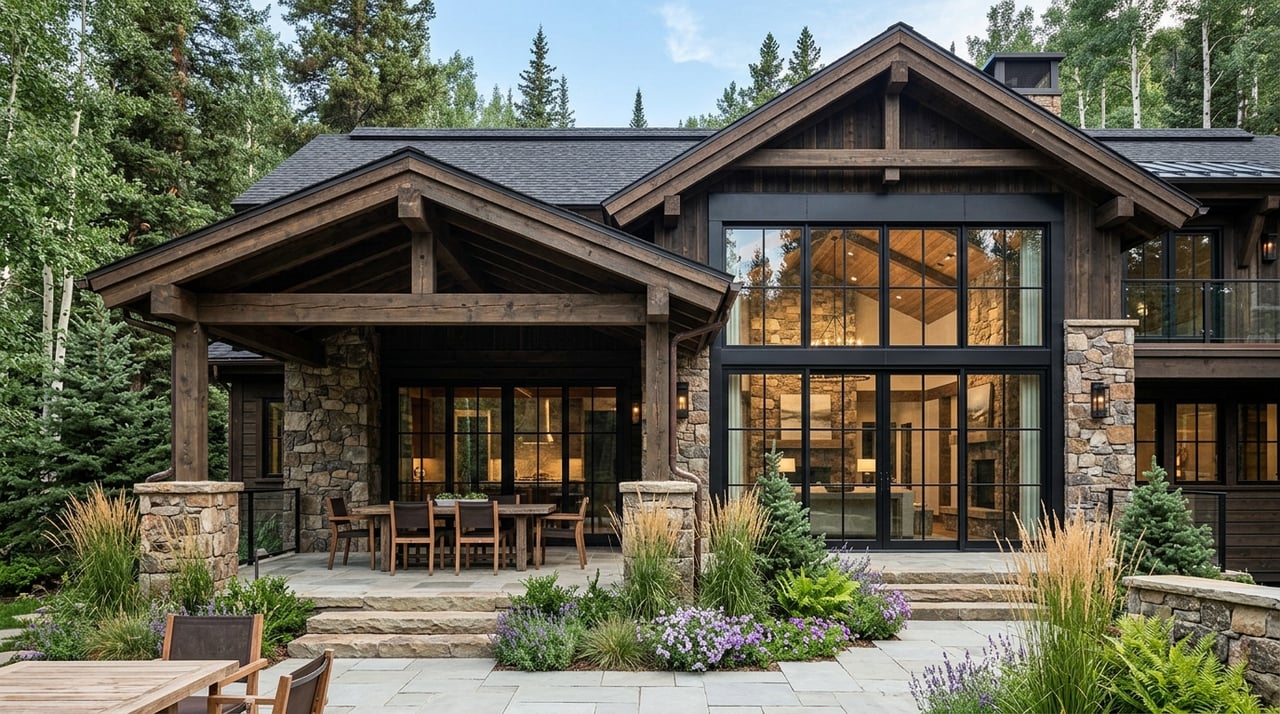
West Bozeman has a residential, recreation-forward feel shaped by trails, parks, transit, and nearby services. It tends to feel more neighborhood-oriented than downtown while still staying connected to day-to-day needs.
Bozeman is also growing quickly. The city’s estimated population reached 58,814 in July 2025, up 9.7 percent from the April 2020 base of 53,596. That growth helps explain why infrastructure, trail connections, and community services on the west side continue to matter more and more in everyday life.
What Daily Life Feels Like
For many residents, West Bozeman supports a rhythm built around short drives, trail access, and nearby parks. The mean travel time to work in Bozeman was 15.5 minutes in the 2020 to 2024 Census estimate, which helps frame the pace of daily movement around town.
A typical weekday here may start with a walk on the Westside Trail, a school or daycare drop-off, and a quick trip to run errands near the mall or other west-side service areas. In the evening, it is easy to picture time at a neighborhood park, a dog walk, or a loop on nearby paths before dinner.
That routine appeals to many buyers because it balances convenience with outdoor time. You are not choosing between access and breathing room in quite the same way you might in a denser core area.
Trails Shape the West-Side Lifestyle
Westside Trail Connections
One of the clearest features of daily life in West Bozeman is the trail network. GVLT describes the Westside Trail as an easy 4-mile loop that starts at Bozeman Pond Park, runs north behind the mall, and continues to Oak Street, where it can connect to West Winds Park or Gallatin County Regional Park.
The trail supports walking, running, and biking, and dogs are allowed on leash. GVLT also notes that residents can move through the west side on a mix of gravel trails and paved paths that weave through neighborhoods and community spaces.
Babcock Meadows Linear Parks form the south portion of the West Side Trail and help connect Gallatin Valley Mall and Bozeman Pond Park. In practical terms, that means outdoor movement is built into the layout of the area rather than treated like a separate weekend activity.
What the Trails Mean Day to Day
If you value being able to step out for a quick walk, jog, or bike ride without loading up the car, that is a real part of the west-side appeal. The trail system can make short outings feel easy and routine.
For relocation buyers, this matters because it changes how a neighborhood lives from one day to the next. Access to connected paths can support everything from morning exercise to after-dinner walks and simple ways to spend time outside close to home.
Parks You Can Actually Use Often
Bozeman Pond Park
Bozeman Pond Park is one of the west side’s most practical everyday parks. It includes a half-mile paved shared-use path, year-round restrooms, a playground, fishing, a fenced dog park, and a dog beach.
That mix of features supports a wide range of routines. You can stop in for a quick walk, bring kids to the playground, or make it part of a regular dog outing without needing a big block of time.
Valley West Park
Valley West Park adds another flexible option to the area. It includes a pond, playground, picnic pavilion, trails, sand volleyball, fishing, a bike rack, and open grass area.
For many households, parks like this are part of what makes a neighborhood feel livable instead of just residential. They give you places to spend time outdoors nearby, whether you have 20 minutes or an entire summer evening.
Gallatin County Regional Park
Gallatin County Regional Park is a major open-space anchor for the west side. The park is open from sun up to sun down and includes dog park access, fishing ponds, walking and jogging trails, picnic areas, a sledding hill, and Nordic ski trails near Oak Street and Ferguson Avenue.
Seasonally, beach and dock access are closed from October 15 through May 15. Even with that seasonal change, the park stays relevant through much of the year because it supports different kinds of recreation depending on the season.
Getting Around West Bozeman
Zero-Fare Bus Service
West Bozeman benefits from Streamline’s zero-fare transit system across the Gallatin Valley. For many buyers, that is one of the more useful daily-life details because it adds flexibility without requiring every trip to be by car.
The Goldline connects Montana State University, Gallatin Valley Mall, and west Bozeman residential areas. The Purpleline connects Bozeman Health, downtown, the mall, and Ferguson Farms. The Brownline connects west Bozeman and Gallatin High School to downtown and Bozeman High.
Driving Still Matters
Transit helps, but West Bozeman still functions like a normal Montana city environment where driving remains practical for many errands. That is especially true in winter or when your routine includes multiple stops.
For most people, the appeal is not that you can avoid driving entirely. It is that you may not need to cross the whole city for many day-to-day needs.
Nearby Services Add Convenience
Gallatin High School opened in fall 2020 at Oak Street and South Cottonwood Road, adding an important west-side anchor. For some buyers, that kind of nearby community infrastructure helps define how established and functional an area feels.
Health care access is another part of the picture. Bozeman Health’s Cottonwood Clinic serves West Bozeman and Four Corners residents, while Bozeman Health Deaconess Regional Medical Center is a 125-bed Level III trauma center on Highland Boulevard.
Taken together, these services support the idea that West Bozeman is not cut off from the rest of town. Instead, it offers a neighborhood-oriented lifestyle with practical access to schools, care, parks, and daily errands.
Winter Is Part of the Routine
Snow Changes the Pace
Winter in Bozeman is not just a season in the background. It is part of daily planning. NOAA normals for the Bozeman State University station show 91.3 inches of annual snowfall, 20.03 inches of annual precipitation, and a mean annual temperature of 44.1 degrees Fahrenheit.
That means snow, cold, and changing conditions are regular parts of life. Summer tends to be warmer and drier, while winter asks for more awareness around driving, walking, and daily timing.
Trails and Sidewalks in Winter
Seasonal conditions affect how people use the west-side path network. GVLT notes that the Westside Trail can be icy in winter and muddy in fall and spring, so the same route that feels effortless in summer may require more care in other seasons.
The city also requires snow and ice to be cleared from sidewalks within 24 hours after a snowfall. That rule makes winter upkeep part of homeownership and neighborhood life, especially if walkability is one of the reasons you are drawn to the area.
City Services Help Keep Things Moving
Bozeman supports winter mobility through city services as well. The city maintains a Streets Division crew for plowing, sweeping, and pothole patching, and it also offers a Snow Angels program for older adults and people with disabilities.
In some downtown areas, the city has also launched an alternate-side parking program from December 1 through March 31 to improve snow-plowing operations during heavy snowfall. Even if you live on the west side, details like these help show how much winter operations shape life across Bozeman.
Is West Bozeman a Good Fit for You?
West Bozeman may appeal to you if you want everyday access to trails and parks, nearby services, and a neighborhood setting that still connects well to the rest of the city. It can be especially attractive if your ideal routine includes outdoor time close to home instead of saving recreation for weekends only.
It may also suit you if you are relocating and want a part of Bozeman that feels practical. Zero-fare transit, west-side parks, local health care access, and school anchors all support a lifestyle that feels functional as well as scenic.
The key tradeoff is seasonality. West Bozeman supports an active, connected routine, but winter conditions, snow removal, and trail changes are real parts of the experience. For many buyers, that is not a drawback so much as part of living well in Montana.
If you want help comparing West Bozeman neighborhoods to other parts of town, Brad Ehrnman Real Estate can help you think through how location, access, and seasonality line up with the lifestyle you want.
FAQs
What is everyday life like in West Bozeman neighborhoods?
- Everyday life in West Bozeman often centers on short trips, neighborhood parks, trail access, and nearby services, with a routine that can include walking or biking, local errands, and outdoor time close to home.
How easy is it to get around West Bozeman without driving everywhere?
- Streamline offers zero-fare routes through west Bozeman, including connections to Montana State University, Gallatin Valley Mall, downtown, Ferguson Farms, Bozeman Health, and Gallatin High School, though many people still find driving useful for some errands.
What parks and trails are near West Bozeman neighborhoods?
- West Bozeman includes access to the Westside Trail, Bozeman Pond Park, Valley West Park, and Gallatin County Regional Park, with features such as walking paths, playgrounds, fishing areas, dog parks, sledding, and Nordic ski trails.
How does winter affect daily life in West Bozeman?
- Winter brings regular snow, colder temperatures, icy or muddy trail conditions depending on the season, and practical tasks like sidewalk clearing, while city plowing and related services help keep travel moving.
Does West Bozeman feel isolated from the rest of Bozeman?
- West Bozeman generally does not feel isolated because the area is connected by trails, transit, parks, schools, and health care services, while still offering a more neighborhood-oriented setting than downtown.