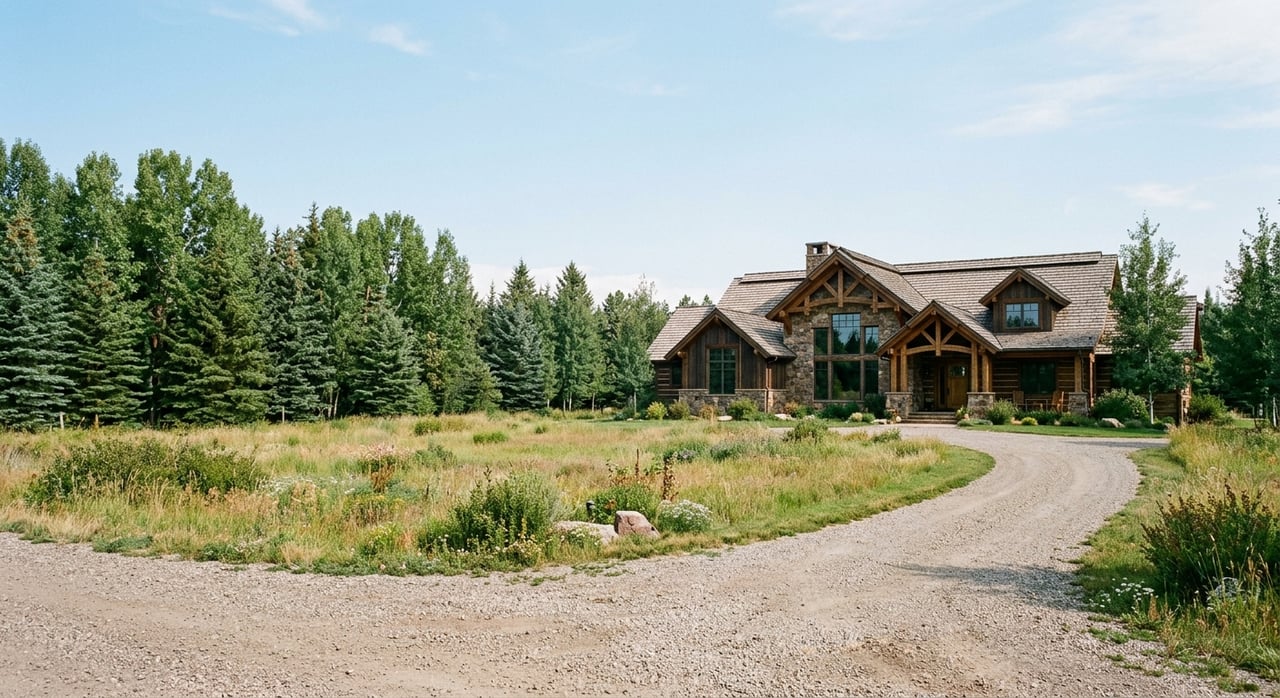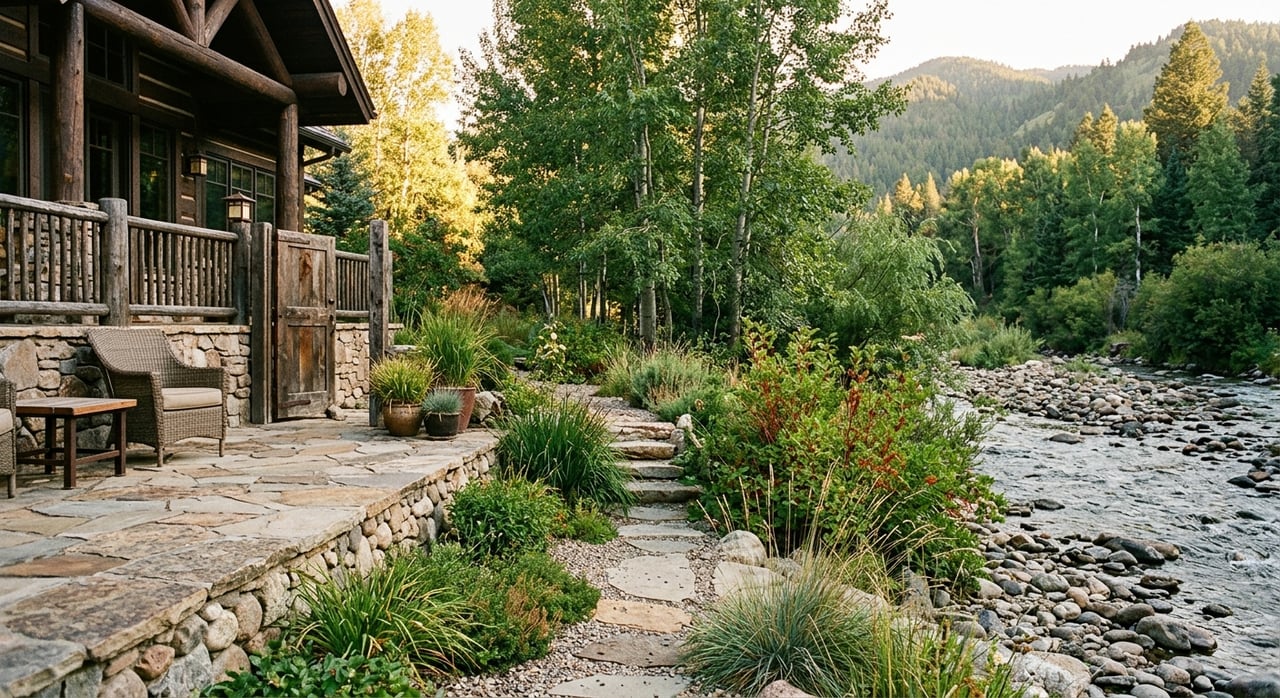
If a home in Paradise Valley backs up to the Yellowstone, it is easy to focus on the view first. But when you are considering river-access property here, the smarter question is often much more practical: What can you actually do with that access, and what will it take to own it well? If you are weighing a purchase in this part of Park County, understanding access rights, water rights, floodplain concerns, and permit paths can help you make a more confident decision. Let’s dive in.
River Access Means More Than River Frontage
In Paradise Valley, being near the river is not always the same as having usable river access. Montana Fish, Wildlife & Parks says Montana’s Stream Access Law allows public recreation up to the ordinary high-water mark, but it does not allow entry across posted private land or crossing private land to reach the water.
That matters because a parcel can sit next to the Yellowstone and still leave you with limited or no practical bank access. If river access is one of your main goals, you will want to confirm whether access is deeded, permissive, public, or affected by neighboring private parcels.
FWP also notes that public access may exist from a public bridge or county road right-of-way, with passage around fences if needed. In other words, access can come from several different legal paths, and each one affects how you may use the property.
Lower Yellowstone Access Is Less Frequent
Another local reality is convenience. FWP’s lower Yellowstone recreation guidance says access points are less abundant than on many other Montana rivers, and floaters may travel many miles before reaching basic services.
For you as a buyer, that means the river lifestyle here can feel more remote and private, but it can also require more planning. A property that looks ideal on a map may not offer the ease of use you expect day to day.
Questions To Ask About River Access
Before you move forward on a river-access home, it helps to ask clear, specific questions:
- Is there direct legal access from the parcel to the riverbank?
- Is access recorded in the deed or shown on a survey?
- Are there easements that affect how you reach or use the river?
- Does a neighboring parcel sit between the home site and the water?
- Is the access public, private, shared, or merely informal?
These questions may sound basic, but they often shape whether a river property fits your goals.
Title, Easements, And Surveys Matter
River property due diligence should go beyond the listing description. Park County’s Clerk & Recorder maintains many of the legal documents tied to real estate records, subdivisions, and certificates of survey, but the office also notes that it cannot provide legal advice.
That is why recorded easements, title documents, survey details, and shared-access language deserve separate review. If you are buying a river-adjacent parcel, this is one of the places where a careful professional team can help you avoid costly surprises.
A simple takeaway is this: do not assume that visible access is the same as legal access. On river property, paperwork matters just as much as the landscape.
Water Rights Are A Separate Issue
One of the biggest misconceptions with waterfront and river-adjacent property is that land ownership automatically includes broad water-use rights. Montana DNRC explains that land ownership and water-use rights are separate, and that a recorded water right is required for most uses to be valid and defensible.
DNRC also emphasizes that priority date matters under Montana’s prior-appropriation system. So if you are evaluating a parcel with irrigation, livestock use, domestic water use, or ditch service, you will want to verify exactly what rights exist and how they are documented.
DNRC further notes that a well log does not itself create a water right. In some cases, a property served by a city, ditch company, or association may not include an individual water right for the water being used.
Why Water-Right Review Matters
This review is especially important if you are looking at:
- Acreage with irrigation history
- Parcels with wells and ditch infrastructure
- Property intended for livestock use
- Land you may want to improve or hold long term
For many buyers, water rights are part of the property’s value. It is worth confirming them early rather than treating them as an afterthought.
Floodplain And Erosion Can Shape Long-Term Costs
A river view can be a major draw, but the long-term ownership picture is often shaped by floodplain exposure and bank movement. Park County says its floodplain program is FEMA’s National Flood Insurance Program administered locally, and the county directs buyers to the Planning Department if a property is in a Special Flood Hazard Area or if work is planned in or along a waterway.
The county also warns that work in or near streams often needs additional permitting before a floodplain permit can be issued. That means site improvements can involve more time, more coordination, and more cost than many buyers expect.
Park Conservation District maintains an updated Channel Migration Zone map for the Yellowstone River in Park County. For you, that is an important tool for understanding possible long-term bank movement and erosion exposure, not just what the riverbank looks like today.
Think Beyond Today’s Riverbank
When you tour river-access homes, it helps to think in longer time frames. Ask yourself:
- How stable is the bank area over time?
- Is the home site or building area affected by floodplain constraints?
- Could erosion change the usable area of the property?
- Will future mitigation or repairs be needed?
These are not reasons to avoid river property. They are reasons to evaluate it with clear eyes.
Septic, Zoning, And Site Rules Also Matter
In Paradise Valley, river-access property is often both a lifestyle purchase and a regulated site. Park County’s Compliance Office enforces onsite wastewater regulations, subdivision regulations, floodplain regulations, and zoning districts that include the Paradise Valley District and the US Hwy 89 S/East River Road/Old Yellowstone Trail District.
That can affect septic placement, building envelopes, site work, and future plans for the property. Park County Planning also administers subdivisions, zoning, floodplains, rural improvement districts, and building-for-lease-or-rent regulations.
If you are considering a parcel for current enjoyment, future expansion, or a long-term hold, local land-use rules deserve a close look. The practical fit of a property often depends on these details.
Future Plans Should Be Reviewed Early
Some buyers are not just shopping for a home. They are also thinking about a guest structure, a future split, or possible development down the road.
For those situations, Park County’s subdivision process becomes relevant. The county defines a subdivision as creating one or more parcels under 160 acres or two or more RV or mobile-home spaces, and all subdivision proposals require county review and approval before implementation, along with a pre-application meeting.
If future flexibility matters to you, it is smart to evaluate that before you write an offer. A parcel’s current appeal may not tell the whole story about its long-term options.
River Improvements Can Trigger Multiple Permits
One of the most important realities of river-access ownership is that improvements near the water can involve several agencies. DNRC says a single Joint Application can coordinate permit review involving 310 permits, FWP SP 124 permits, county floodplain permits, US Army Corps permits, DEQ turbidity authorizations, and DNRC navigable-river licenses or easements.
That means a project that seems simple, like bank work or a structure near the river, may not be simple from a permitting standpoint. Understanding that early can help you set realistic expectations about timing and cost.
DNRC says a 310 permit is required for any activity that physically alters or modifies the bed or banks of a perennially flowing stream. DNRC also notes that if a project involves structures in or over a navigable river, a land-use license or easement may be required.
Common Improvement Questions
If you are buying with future work in mind, consider asking:
- Will any planned work affect the bed or banks of the river?
- Is the Yellowstone reach at this property treated as navigable for permit purposes?
- Will a floodplain permit be required before other approvals move forward?
- Are there existing improvements that may have needed prior authorization?
These questions are especially important if your vision includes shoreline work, access improvements, or structures near the water.
Build The Right Due Diligence Team
Paradise Valley river property tends to reward buyers who approach the process carefully. Park County Planning can discuss land use and development issues, while the Clerk & Recorder maintains records but does not offer legal advice.
In practice, that means a strong due diligence team matters. Depending on the property, that may include your real estate agent, a title company, a surveyor, a land-use attorney, a septic or well evaluator, and if shoreline work is part of your plans, the county floodplain administrator and conservation district.
This kind of team approach fits the reality of river-access property in Park County. It is often less about one big red flag and more about understanding how several smaller factors work together.
A Better Way To Evaluate River-Access Homes
The best Paradise Valley river properties are not defined by scenery alone. They are best understood as a bundle of access rights, water rights, floodplain exposure, erosion risk, and permit pathways.
That may sound more technical than romantic, but it is also what helps you buy with confidence. When you understand how the property works in real life, you can better judge whether it fits your lifestyle, your budget, and your long-term plans.
If you are considering a river-access home in Paradise Valley, a grounded, local approach can make all the difference. When you are ready to talk through the tradeoffs and next steps, connect with Brad Ehrnman Real Estate.
FAQs
What does river access mean for a Paradise Valley home?
- River access can mean very different things depending on the parcel. A home may be river-adjacent without offering direct, legal, usable access to the bank or water.
Do Montana stream access rules let you cross private land to reach the river?
- No. Montana’s Stream Access Law allows public recreation up to the ordinary high-water mark, but it does not allow crossing posted private land or private land to get there.
Why should you review water rights on a Paradise Valley river-access property?
- Montana treats water rights separately from land ownership, so you should verify any claimed irrigation, domestic, livestock, well, or ditch-related use rather than assuming it transfers with the property.
How can floodplain issues affect a Paradise Valley river property?
- Floodplain status can affect building, site work, permits, and long-term ownership costs, especially if the property is in a Special Flood Hazard Area or near a waterway.
Why is erosion risk important for Yellowstone River property in Park County?
- Bank movement can affect usable land, future improvements, and long-term value, so buyers should review channel migration and erosion exposure rather than relying only on the current riverbank condition.
What permits might apply to improvements on a Paradise Valley river-access home?
- Depending on the work, improvements may require multiple approvals, including stream, floodplain, navigable-river, or related environmental permits.
Should you consider future subdivision potential when buying Paradise Valley acreage?
- Yes. If future splits or development matter to you, Park County’s subdivision rules and review process should be part of your early due diligence.